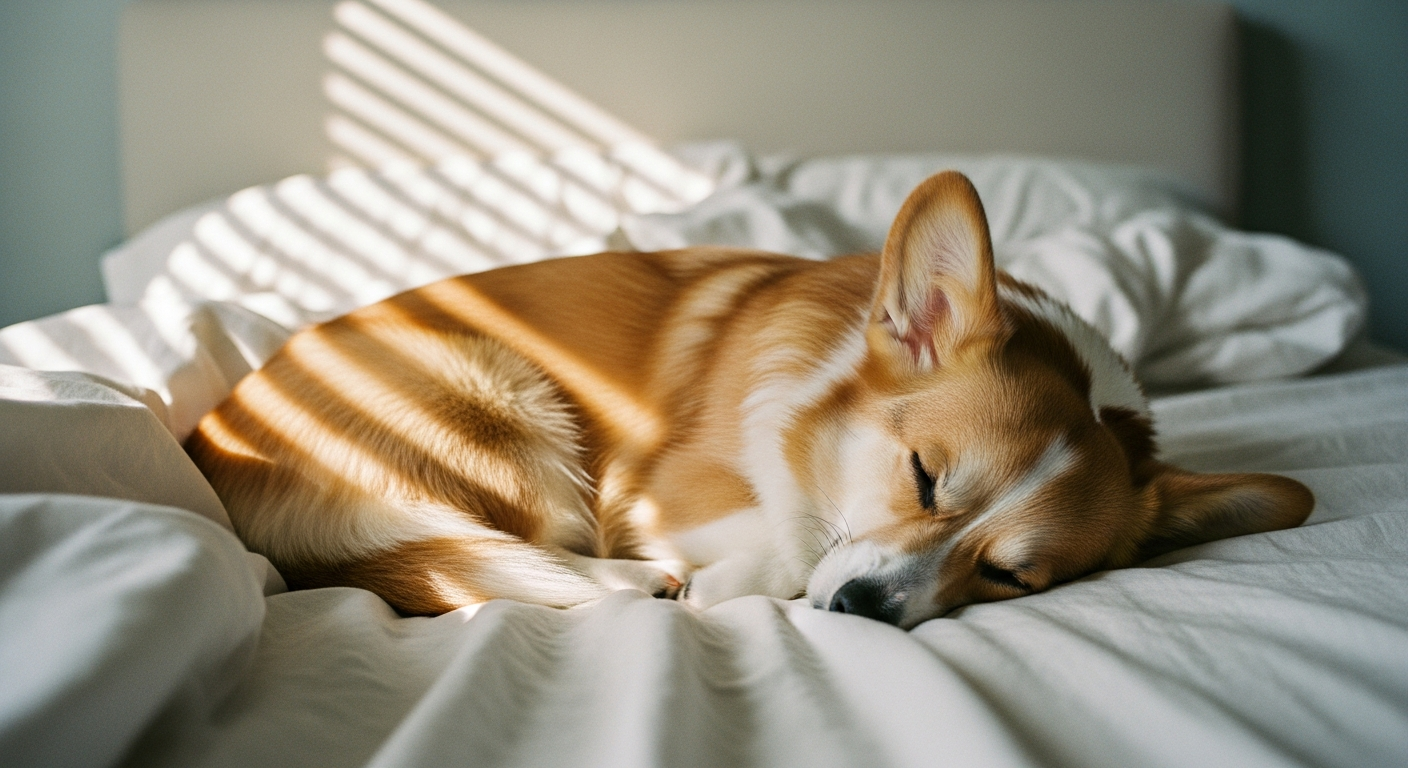
Daylight Saving Time Is This Sunday — Here's How to Help Your Dog Adjust
Clocks spring forward on March 8, and your dog's internal clock won't automatically follow. Here's a vet-backed plan to ease the transition.
This Sunday, March 8, clocks across most of the United States will spring forward one hour — and while you might grumble about losing sleep, your dog could be even more thrown off than you are. Dogs don't understand clocks, but they absolutely understand routines. And when Daylight Saving Time (DST) disrupts those routines, even the most easygoing pup can feel unsettled.
Here's the good news: with a little preparation this week, you can help your dog make the transition smoothly — no confused whimpers or surprise accidents required.
Why Daylight Saving Time Affects Dogs More Than You'd Think
Dogs live by internal clocks, not the ones on your nightstand. Like humans, dogs operate on circadian rhythms — the 24-hour biological cycles that regulate sleep, hunger, energy, and even hormone levels. According to the National Institute of General Medical Sciences, circadian rhythms influence nearly every living organism, from plants to microbes to your Bernese Mountain Dog.
"Dogs respond to daylight, and they wake when the sun rises and sleep when it's dark," says Dr. Jerry Klein, Chief Veterinarian for the American Kennel Club. "Their physical and behavioral processes are in sync with the sun."
So when you suddenly shift your dog's feeding time, walk schedule, and bedtime by an hour, their internal clock hasn't gotten the memo. Research from Eötvös Loránd University confirms that dogs' sleep patterns are influenced by timing and environment — meaning even a one-hour shift can measurably affect how well they rest.
Signs Your Dog Is Struggling With the Time Change
Not every dog will react the same way, but here are common signs that DST is throwing your pup for a loop:
- Potty accidents in the house. If your dog's regular bathroom schedule shifts by an hour, their bladder didn't get the update. This is especially common in puppies and senior dogs.
- Increased anxiety or restlessness. Pacing, whining, or following you around more than usual can signal that something feels "off" in their routine.
- Begging or food-seeking behavior. Your dog's stomach still thinks dinner is at 5 p.m. When you push it to 6, expect some very insistent staring.
- Changes in sleep patterns. Waking up earlier than usual or being reluctant to settle down at the new bedtime.
- Digestive upset. Some dogs may experience a nervous stomach or loose stools from the stress of routine disruption.
"Dogs are creatures of habit," Dr. Klein notes. "Routine and consistency bring stability and confidence. Suddenly changing that can unsettle and confuse them."
7 Vet-Approved Tips to Help Your Dog Adjust
The best strategy? Don't wait until Sunday morning. Start making small changes this week so the transition feels gradual rather than jarring.
1. Shift Meals by 10–15 Minutes Each Day
Starting today, move your dog's breakfast and dinner slightly earlier — about 10 to 15 minutes per day. By the time DST hits on March 8, the "new" mealtime will feel familiar. Veterinary experts at Zoetis recommend this gradual approach for all pets, noting that feeding time is typically what dogs notice most.
2. Adjust Walk and Potty Schedules Gradually
Just like meals, shift your morning walk and evening potty break by 10–15 minutes each day this week. This is especially important for:
- Puppies still working on housetraining
- Senior dogs with less bladder control
- Dogs with medical conditions that affect elimination
If accidents happen during the transition, be patient — it's a temporary adjustment, not a training regression.
3. Ease Bedtime Forward
Your dog's bedtime routine matters as much as yours. Dim the lights a few minutes earlier each night and start your wind-down signals — last potty break, turning off the TV, heading upstairs — slightly ahead of schedule. Dogs pick up on environmental cues, so consistent signals help them settle.
4. Use Morning Light Strategically
After the clocks change, mornings will be darker again for a few weeks. Help your dog's internal clock reset by getting them into natural light as early as possible. A morning walk — even a short one — exposes them to daylight that helps recalibrate their circadian rhythm.
5. Keep Exercise Consistent
A well-exercised dog handles stress better. Maintain (or even slightly increase) your dog's daily physical activity during the transition week. A tired dog is a relaxed dog, and physical activity helps regulate sleep-wake cycles naturally.
6. Watch for Anxiety in Sensitive Dogs
Some dogs handle change better than others. If your dog tends to be anxious, consider these extra steps:
- Offer a calming chew or puzzle toy during the adjustment period
- Maintain extra-consistent cues (same feeding spot, same leash, same walk route)
- Avoid introducing other big changes — like new food, a new crate, or houseguests — during the same week
7. Don't Forget Medication Schedules
This one's easy to overlook but critically important. If your dog takes daily medication — whether it's for seizures, thyroid issues, heart conditions, or flea and tick prevention on a strict schedule — talk to your vet about whether and how to adjust the timing. Zoetis veterinary experts specifically flag medication timing as something pet owners should discuss with their vet before the clocks change.
Which Dogs Are Most Affected?
While all dogs may notice the shift, certain dogs tend to have a harder time adjusting:
- Puppies are still building routines and may be more easily disrupted
- Senior dogs often have more rigid internal clocks and may struggle with bladder control during schedule shifts
- Dogs with anxiety disorders can experience heightened stress from any routine change
- Dogs on strict medication schedules need veterinary guidance for timing adjustments
- Dogs with diabetes or other metabolic conditions where feeding timing affects blood sugar levels
If your dog falls into any of these categories, start the gradual adjustment a few days earlier, moving in even smaller increments of 5 minutes per day.
The Silver Lining: More Daylight for Dog Walks
Here's the upside of springing forward: longer evenings mean more daylight for after-work walks, trips to the dog park, and outdoor adventures with your pup. By late March, most parts of the country will have sunlight past 7 p.m. — perfect for those evening strolls your dog loves.
The extra evening light also comes with a safety bonus. According to the National Highway Traffic Safety Administration, pedestrian and pet visibility improves significantly with extended daylight hours. If you walk your dog along roads or in neighborhoods, you'll both be safer with that extra hour of light.
If you're looking for new places to explore with your pup this spring, check out Sidewalk Dog's city guides for dog-friendly parks, trails, patios, and more near you.
Will DST Ever Go Away?
You're not alone if you've wondered whether we'll ever stop changing clocks. The Sunshine Protection Act, which would make DST permanent year-round, passed the U.S. Senate unanimously in 2022 but stalled in the House of Representatives. As of early 2026, the biannual clock change remains in effect for most states (Arizona and Hawaii don't observe DST).
Until then, the twice-a-year adjustment is something every dog owner needs to plan for — and the spring-forward change tends to be the harder one for dogs, since they're essentially losing an hour of their routine rather than gaining one.
The Bottom Line
Daylight Saving Time is a human invention that dogs never signed up for — but with a little planning, you can make the March 8 transition nearly seamless for your four-legged family member. Start shifting your dog's schedule by 10–15 minutes per day this week, watch for signs of stress, keep exercise consistent, and check with your vet about medication timing.
Your dog may not know what a clock is, but they absolutely know when dinner's late.
At Sidewalk Dog, we live for helping you and your pup make the most of every season — clock changes included. Browse our city guides for dog-friendly spots to enjoy those longer spring evenings.

About the Author
Jared McKinney
Founder & Editor
Jared knows how to sit, stand, and play dead. At Sidewalk Dog he fetches everything from articles, to emails, to weekly newsletter trivia questions for dog owners.
Recommended Articles

75 Million Americans Are Skipping Vet Visits Because of Cost — Here's How to Get Your Dog the Care They Need
April 10, 2026
Vets Say 2026 Could Be the Worst Spring Allergy Season Yet for Dogs — Here's How to Help
April 7, 2026
New Research Warns Millions of Dogs Are at Risk From Copper in Their Food — Here's What to Know
April 6, 2026
Experts Warn 2026 Could Be the Worst Tick Season Yet for Dogs — Here's How to Protect Yours
April 4, 2026