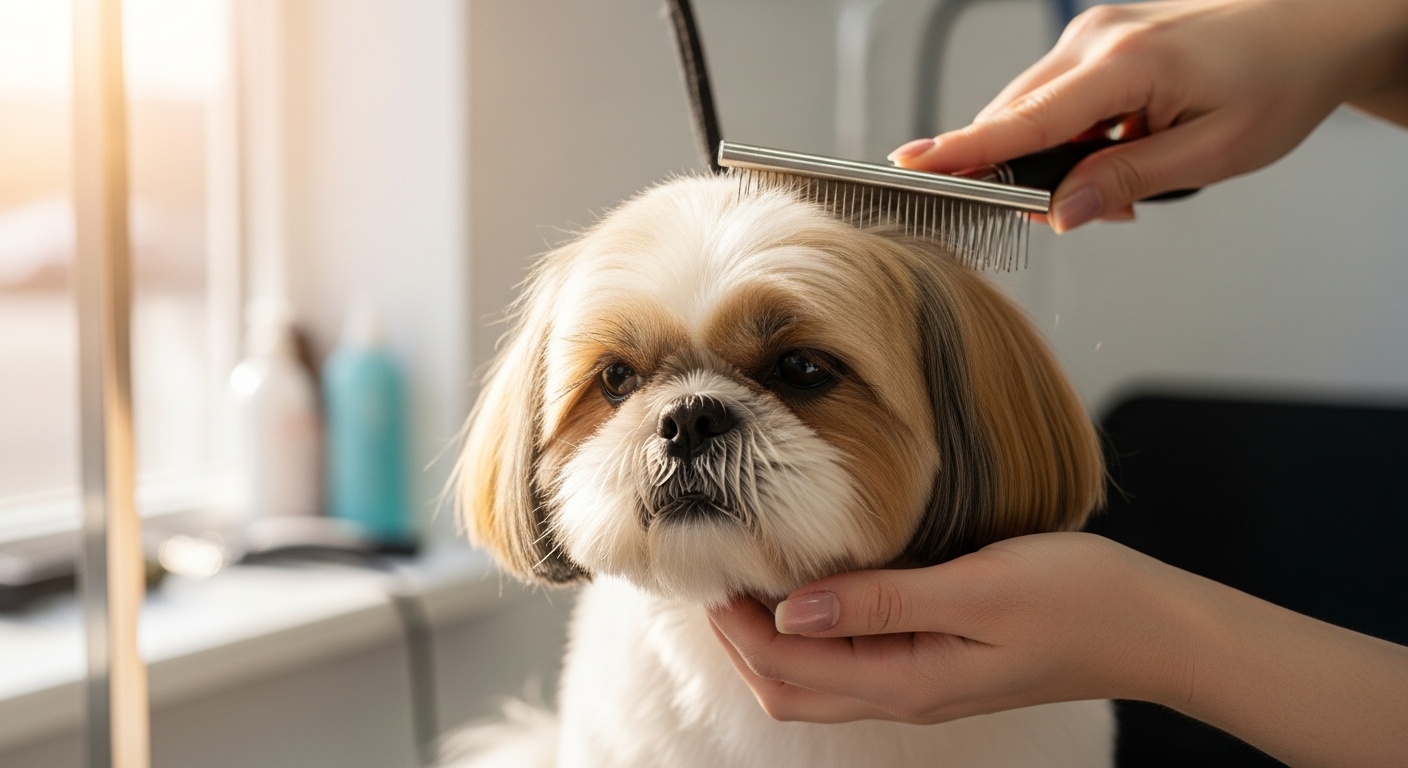
Dog Dematting: Comfort-First Care for Knots, Tangles & Matted Coats
Learn how professional dog dematting keeps your pup comfortable and healthy. Discover when to seek help for mats and how to prevent them from forming.
A dog knot can start small—one tight tangle behind the ears, a clump under the collar, or a little "snag" near the armpits. But if it's ignored (or brushed the wrong way), that knot can quickly turn into full matting that pulls at the skin, traps moisture, and makes even simple petting uncomfortable. If you've been searching dog dematting near me or "matted dog grooming near me," you're not alone: matting is one of the most common reasons pet parents reach out to a professional groomer.
Dematting isn't just about making the coat look pretty again. It's about your dog's comfort and skin health. Mats tighten like a net. They can hide irritation, create hot spots, and hold dirt or debris close to the skin. And for many dogs, matting can make normal movement painful—especially when mats form in friction areas like the legs, belly, tail, or chest.
Why matting happens (even to "well cared for" dogs)
Matting usually builds up from a few everyday factors:
- Friction from harnesses, collars, sweaters, and car-seat straps
- Moisture (baths, rain, snow) that isn't fully dried through the coat
- Undercoat buildup that tangles into the top coat
- Skipping line-brushing in long, curly, or double coats
- Play and rolling that twists hair into tight tangles
Some coats mat faster than others, but any dog can develop tangles if the coat gets damp, sheds heavily, or isn't brushed all the way to the skin.
What professional dematting actually looks like
A safe dematting session is not "rip through it and hope for the best." The goal is to remove tangles while protecting your dog's skin and keeping stress low.
Professional dematting typically includes:
- Coat and skin assessment to determine mat severity and what's safe
- Detangling support using coat-safe products that help loosen knots
- Gentle section-by-section dematting with the right tools and technique
- Controlled drying (when needed) to prevent mats from tightening
- A clear plan for aftercare so the coat doesn't re-mat immediately
If mats are extremely tight or close to the skin, the kindest option may be a strategic trim to prevent pain and skin damage. A good groomer will prioritize comfort and talk you through the best approach for your dog.
Why "DIY dematting" can sometimes make it worse
It's totally understandable to want to fix mats at home, especially when you find them suddenly. But aggressive brushing, using scissors too close to the skin, or pulling through tight mats can cause injuries and create negative associations with grooming.
Mats can hide folds of skin, making scissor cuts more likely than most people realize. Even if you're careful, repeated pulling can leave the skin red and tender. That's why many pet parents choose a professional when searching "matted dog grooming near me"—they want the coat handled safely, with the right tools, and without turning grooming into a stressful battle.
Signs it's time to book a dematting appointment
Consider professional help if:
- You can't run a comb through the coat to the skin
- Your dog reacts when you touch certain areas (ears, legs, belly, tail)
- You feel tight clumps that don't loosen with gentle brushing
- The coat feels "packed" or looks dull and uneven
- You're finding repeated dog knot spots in the same friction zones
Early action matters. The sooner you treat mats, the easier it is on your dog.
A comfort-first approach from Rebel Tails
At Rebel Tails, dematting is approached with one priority: your dog's well-being. That means honest recommendations, gentle handling, and coat-specific methods that reduce pulling and stress. Whether your pup needs targeted detangling in a few areas or a more thorough reset, the goal is the same—help your dog feel comfortable again and help you maintain the coat more easily going forward.
How to prevent matting after your appointment
Once the coat is back in a healthier state, consistent maintenance keeps it that way:
- Brush with a slicker + comb (confirm you reach the skin, not just the surface)
- Fully dry the coat after baths or wet walks
- Focus on friction zones (collar line, harness points, underarms, behind ears)
- Keep a regular grooming schedule that matches your dog's coat type
If you're currently searching "dog dematting near me," book sooner rather than later. The right dematting service can turn grooming from stressful to manageable—and give your dog a coat that feels as good as it looks.