Why Every Dog Trainer Needs a Fanny Pack
Ask any seasoned dog trainer to name one of the most underrated tools in their kit, and you might be surprised when it’s not a leash or a clicker—but a fanny pack. It may not be flashy, but if you’re committed to effective, reliable dog training, this humble accessory is a game-changer. Whether you’re working with a high-energy puppy who hasn’t learned impulse control or a reactive adult dog navigating stressful triggers, success in training boils down to three things: […]
Ask any seasoned dog trainer to name one of the most underrated tools in their kit, and you might be surprised when it’s not a leash or a clicker—but a fanny pack. It may not be flashy, but if you’re committed to effective, reliable dog training, this humble accessory is a game-changer.
Whether you’re working with a high-energy puppy who hasn’t learned impulse control or a reactive adult dog navigating stressful triggers, success in training boils down to three things: timing, consistency, and control. A well-used fanny pack supports all three in ways that new trainers often overlook.
Reward the Right Behavior at the Right Moment
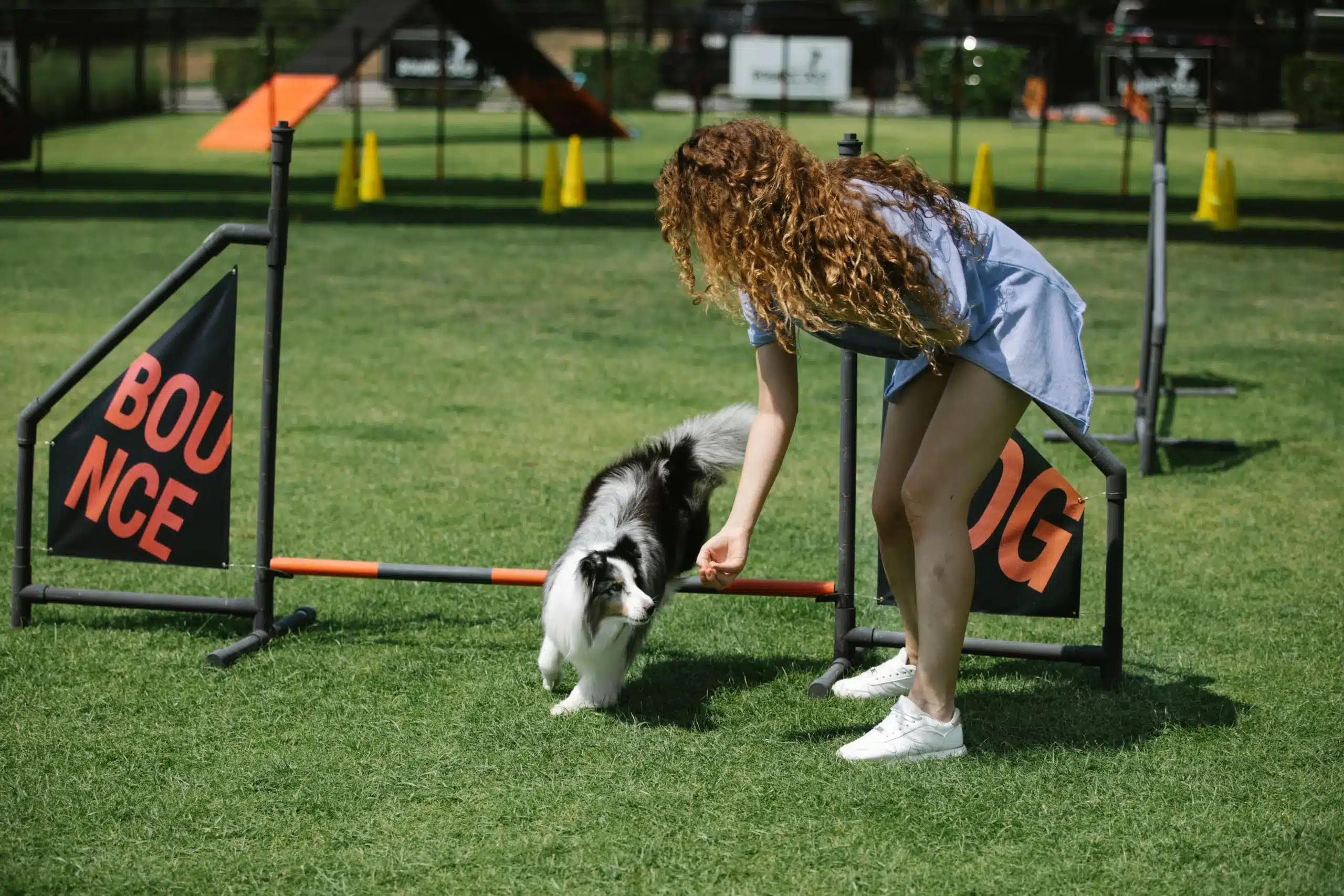
In positive reinforcement training, timing isn’t just important—it’s everything. To shape behavior effectively, you need to deliver the reward immediately after your dog performs the desired action. That means no fumbling through your coat or digging in your pants pocket. That moment when your dog makes the right choice is short—and you need to be ready.
Dogs learn through association, and if you delay the reward even by a few seconds, your dog could easily link it to the wrong behavior—like scratching, sniffing, or barking. Wearing a fanny pack properly stocked with treats allows you to reinforce the right behaviors exactly when they happen. Clip it securely around your waist or just over the hip for quick, effortless access that doesn’t disrupt your movement.
When you’re teaching precision behaviors or advanced commands, that ability to deliver a reward instantly is crucial. Pairing a click or verbal marker with a treat at the exact right moment deepens your dog’s understanding and speeds up progress. Without fast delivery, training becomes muddy, and learning slows down.
Hands-Free, Focused Training
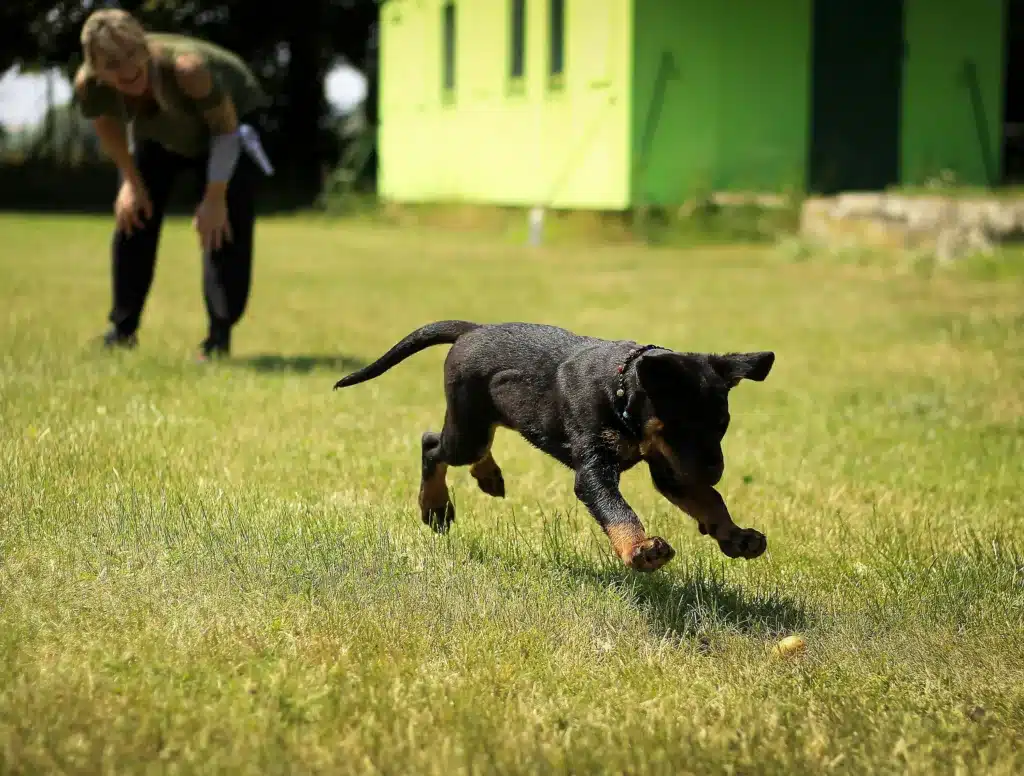
Effective dog training isn’t just about shaping your dog’s behavior—it’s also about staying calm, present, and prepared as the handler. Your hands need to be free to manage the leash, deliver cues, give hand signals, or redirect your dog’s attention. Trying to juggle treats, a phone, and a leash doesn’t just slow you down—it creates unnecessary distractions for both you and your dog.
If you’re working on leash reactivity, improving focus around distractions, or practicing in high-traffic areas, keeping your hands free is essential. A quality fanny pack gives you immediate access to everything you need, without ever taking your eyes off your dog. That means one-handed treat delivery, less fumbling, and more intentional interactions in the moments that matter most.
Stay Organized, Stay Ahead
As your training sessions evolve, so does the need for better organization. You may find yourself using multiple reward types—perhaps kibble for basic commands and high-value treats for tough behaviors or distractions. A good fanny pack lets you keep those options separated, so you can reward with precision.
That kind of control over reward delivery allows you to communicate more clearly. Dogs quickly learn to distinguish between “good” and “great” based on what you offer. Being able to pull the right treat at the right time strengthens the training message you’re sending.
Equally important is readiness. One of the most common mistakes pet owners make is missing training opportunities because they weren’t prepared. How often have you thought, “I wish I had a treat with me”? Keeping your fanny pack loaded by the door or in the car means you’re always ready to reinforce the behavior you want. That consistency adds up quickly—your dog learns faster, performs better, and becomes more confident.
Real-World Readiness Matters
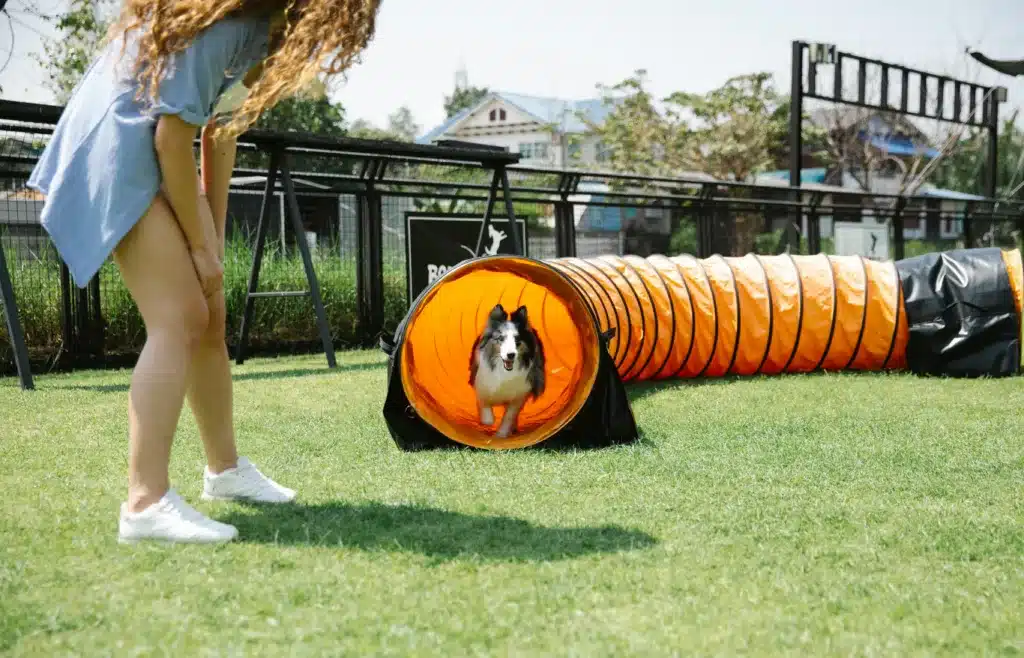
One of the biggest misconceptions in dog training is assuming a behavior is “learned” just because it works at home. The real test is whether that behavior holds up in new or challenging environments—places full of sights, smells, sounds, and distractions.
That’s why generalizing behavior is so important. Dogs need to practice cues like “sit,” “stay,” and “leave it” in a variety of real-world settings: on walks, at the vet’s office, during busy outings, or at pet-friendly stores. A fanny pack makes you mobile and flexible, so you don’t have to schedule training—you’re simply ready for it.
Imagine your dog calmly sitting at a crosswalk without being prompted, or choosing to look at you rather than reacting to another dog. These are golden moments, and you need to reinforce them immediately. With a fanny pack on, you’re ready to reward success when it happens naturally.
Consistency Builds Confidence
Dogs crave consistency. When you’re able to deliver rewards predictably and promptly, your dog gains confidence and trust in the training process—and in you. But inconsistency breeds confusion. If you’re caught off guard or unprepared, your dog may start guessing, which leads to frustration and unreliable behavior.
Making your fanny pack part of your daily routine is a small shift that has a big impact. When it’s always loaded and within reach, it becomes second nature—just like grabbing your keys. This allows you to maintain structure, reinforce progress, and pick up on subtle behavior changes. If your dog suddenly stops taking treats, for example, that could be an indicator of stress, overstimulation, or even an underlying health concern. Without a consistent routine, you might miss those early signals.
Choosing the Right Fanny Pack
You don’t need anything complicated, but quality makes a difference. Look for a pack that’s comfortable, weather-resistant, and easy to clean. Silent closures like magnetic flaps or smooth-draw pockets are ideal, especially when working with sound-sensitive or nervous dogs. Velcro and loud zippers can interrupt the flow of training or even spook your dog.
Consider how much you carry during a session. If you’re managing multiple dogs or like to bring toys, clickers, and extra gear, choose a roomier model with several compartments. For quick outings or solo walks, something more streamlined will do just fine. What matters most is that your fanny pack feels like a natural extension of your training setup—not a burden.
More Than a Pouch—It’s a Habit
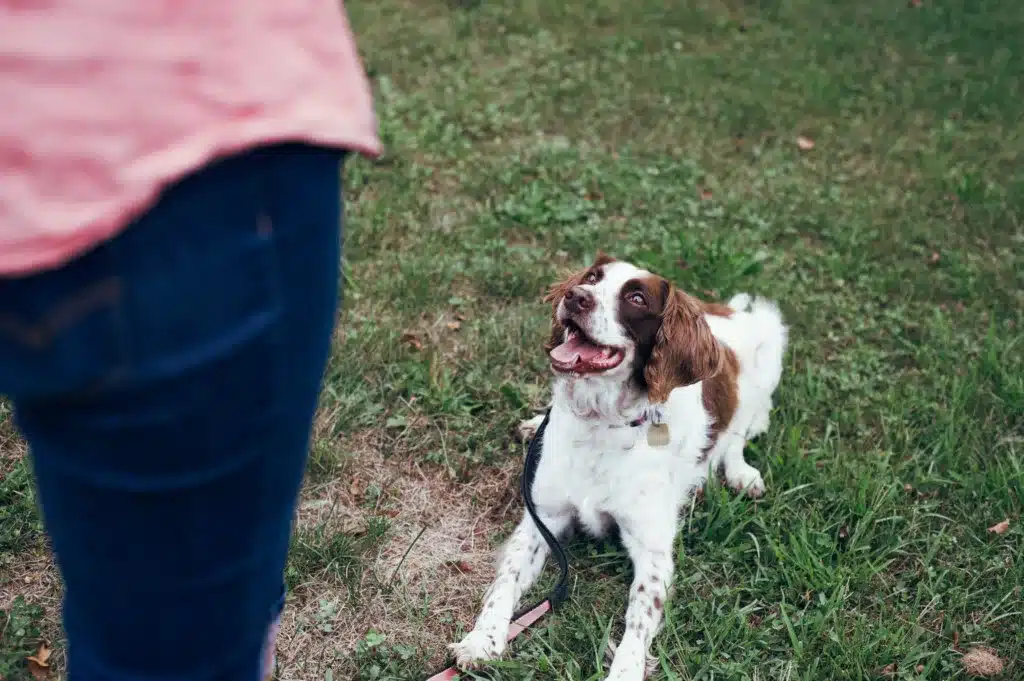
At first glance, a fanny pack might not seem like a crucial piece of equipment. But once you integrate it into your training routine, you’ll wonder how you ever managed without it. It supports better timing, enhances communication, and helps you stay consistent—all of which are key to building lasting, reliable behavior.
Dog training isn’t just about teaching commands—it’s about building a trusting, respectful relationship. Showing up prepared, focused, and ready to reward reinforces that bond every time you interact with your dog. So if you’re ready to take your training to the next level, don’t overlook the simplest upgrade: start wearing a fanny pack, and let it work for you.

About the Author
Jared
Founder & Editor
Jared knows how to sit, stand, and play dead. At Sidewalk Dog he fetches everything from articles, to emails, to weekly newsletter trivia questions for dog owners.
Recommended Articles
The Rise of Virtual Dog Playdates: A New Era of Socialization
June 17, 2025
Why Your Dog Might Be Jealous of the Baby—and How to Help
May 19, 2025
Best Way To Get Your Dog’s Energy Out-And Fast!
May 16, 2025
Baring Teeth? Types of Dog Growls and What They Mean
May 7, 2025