
The Federal Government Just Launched a Historic Dog Welfare Crackdown — Here's What Every Dog Owner Should Know
In the biggest federal action for companion animal welfare in years, four agencies are teaming up to crack down on puppy mills, dog fighting, and chronic Animal Welfare Act violators. Here's what it means for you and your dog.
On February 18, 2026, something historic happened for dogs in America.
Four of the most powerful federal agencies — the U.S. Department of Agriculture (USDA), the Department of Justice (DOJ), the Department of Homeland Security (DHS), and the Department of Health and Human Services (HHS) — announced a coordinated crackdown on chronic dog welfare violators. It's the most sweeping multi-agency action for companion animal welfare in recent memory, and it directly affects the 65.1 million American households that include a pet dog.
Whether you're a current dog owner, thinking about adding a furry family member, or simply someone who cares about animal welfare, here's everything you need to know.
What Exactly Is Happening?
The federal government is targeting three major issues simultaneously:
- Chronic Animal Welfare Act (AWA) violators — breeders who repeatedly fail inspections and continue operating despite documented violations
- Dog fighting operations — with a commitment to prosecuting offenders "to the highest extent of the law"
- Unlicensed breeding and importing operations — including individuals importing dogs for resale without proper permits
USDA Secretary Brooke L. Rollins didn't mince words in the announcement: "If you are breeding dogs and not meeting the Animal Welfare Act's humane standards of care, your time is up."
The Numbers Tell the Story
The good news? Compliance with the Animal Welfare Act among dog breeding facilities has risen significantly — from an average of 67% in 2015 to over 92% in 2025. That's real, measurable progress over the past decade.
But the bad news is that the remaining bad actors continue to cause tremendous suffering. Consider these statistics:
- An estimated 550,000 fewer puppies were bred by puppy mills selling to pet stores in 2025 compared to five years ago — a 44% decrease
- Over 750 dogs were rescued from puppy mills that shut down or faced court action in 2025 alone
- Since 2013, at least 2,400 animals have been rescued from facilities listed on the Humane Society's "Horrible Hundred" report
- More than 250 problem puppy mills have closed since systematic reporting began
Despite this progress, some of the worst offenders have found ways to stay open — sometimes by getting new license numbers under different family members' names.
The Five-Point USDA Enforcement Plan
The USDA's new approach is notably more aggressive than past efforts. Here's what they're doing:
- Revoking licenses of persistent violators — The USDA has already cancelled, denied, suspended, and revoked licenses from six dog breeders who failed to provide humane care
- Expanding compliance teams — More investigators on the ground to identify and investigate unlicensed breeding operations
- Improving inspection consistency — Increased inspector training and compliance tracking to ensure AWA standards are applied uniformly
- Sharing intelligence with state partners — Better coordination between federal and state agencies so violators can't slip through jurisdictional cracks
- Supporting local enforcement — Helping state and local agencies pursue action against breeders who fall outside USDA's direct authority
DOJ and DHS Are Bringing Criminal Enforcement
While the USDA handles the regulatory side, the Department of Justice and Department of Homeland Security are bringing criminal enforcement muscle:
- DOJ is prioritizing prosecution of dog fighting cases and has received case referrals from the USDA involving facilities that repeatedly prevent inspectors from entering
- DHS is targeting the cross-border trafficking of dogs, including illegal imports of puppies from overseas breeding operations
- HHS is coordinating on public health aspects, particularly around zoonotic disease risks from poorly maintained breeding facilities
What This Means If You're Looking to Get a Dog
If you're thinking about adding a dog to your family, this crackdown is actually great news — and a timely reminder to do your homework. Here's how to make sure you're supporting responsible breeding or adoption:
Red Flags to Watch For
- The breeder won't let you visit where the puppies are born and raised
- Puppies are available immediately, with no waitlist or screening process
- The seller has multiple breeds available at all times
- You can buy a puppy online and have it shipped to you sight unseen
- There's no health guarantee or the breeder can't provide health clearances for the parents
- The price seems too good to be true
Green Flags of a Responsible Breeder
- They ask you as many questions as you ask them
- They welcome (and encourage) facility visits
- They can provide health clearances and veterinary records for parent dogs
- They have a contract that includes a return policy if things don't work out
- They're connected to breed clubs or can provide references from previous puppy buyers
- They limit the number of litters per year and breeds they work with
Consider Adoption
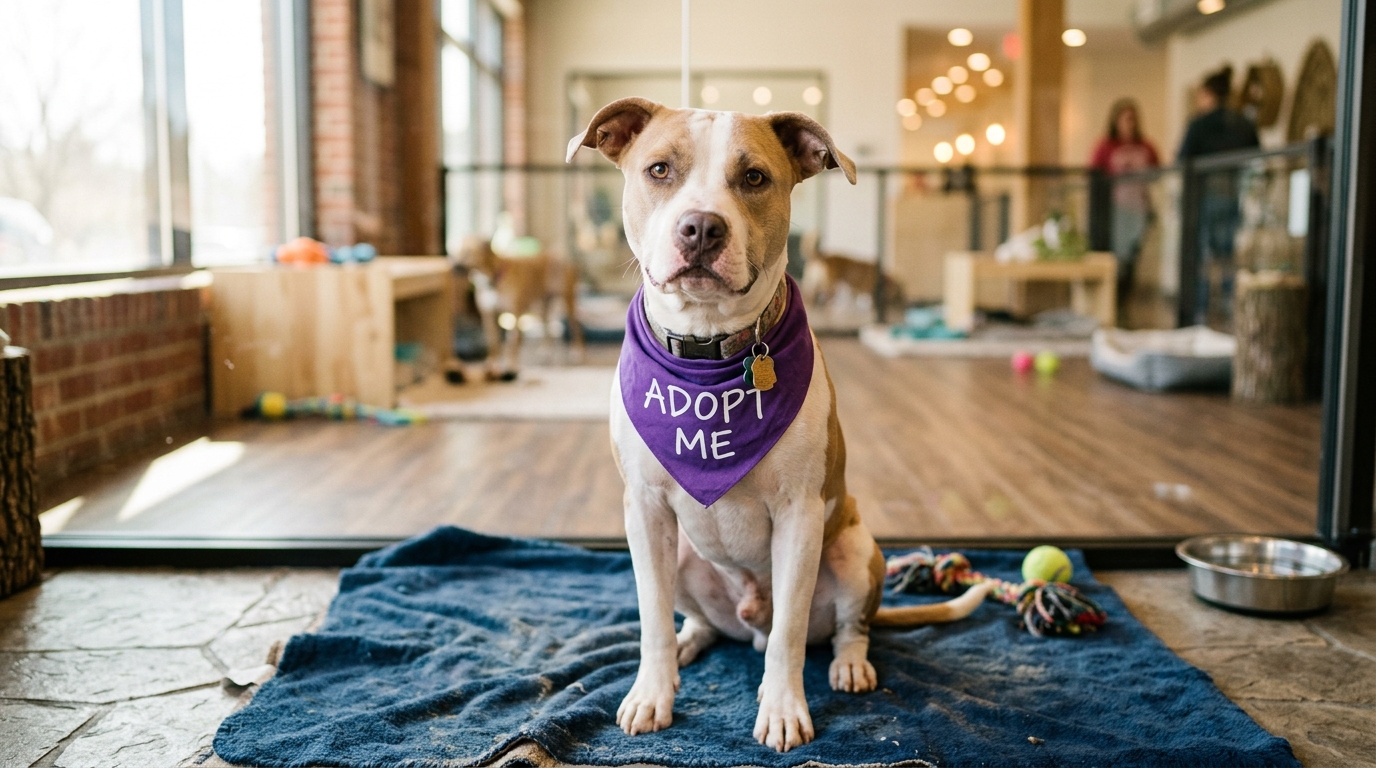
Of course, one of the best ways to avoid supporting puppy mills entirely is to adopt from a shelter or rescue. With thousands of wonderful dogs looking for homes — including purebred-specific rescues for nearly every breed — adoption remains one of the most impactful choices a dog lover can make.
What Current Dog Owners Should Know
Even if you're not in the market for a new dog, this crackdown matters to you:
- Report suspected animal cruelty. If you know of a breeding operation that appears to be mistreating animals, report it to your local animal control, the USDA's Animal Care division, or the Humane Society's tip line. Your report could be the one that triggers an investigation.
- Support legislation. Many states are passing or strengthening laws that ban the retail sale of puppies in pet stores — one of the primary sales channels for puppy mill dogs. These laws have been directly linked to the 44% decrease in puppy mill production.
- Spread the word. Share this information with friends and family who might be looking for a new dog. Awareness is one of the most powerful tools against puppy mills.
The Bigger Picture
This coordinated federal action reflects a broader cultural shift in how America thinks about companion animals. The USDA noted that 51% of pet owners now consider their pets to be as much a part of their family as any human member — and that sentiment is increasingly driving policy.
The fact that four separate federal agencies are coordinating enforcement efforts is unprecedented. It signals that animal welfare is no longer a niche issue but a mainstream priority that cuts across political lines.
For dog lovers, that's worth celebrating — and worth paying attention to as these enforcement actions continue to unfold throughout 2026.
How to Stay Informed
Follow these resources for updates on animal welfare enforcement:
- USDA Animal Care — Official enforcement updates
- Humane World (formerly Humane Society of the US) — Annual "Horrible Hundred" puppy mill reports
- American Veterinary Medical Association — Pet health and welfare resources
At Sidewalk Dog, we believe every dog deserves a loving home and humane treatment. If you're looking for dog-friendly businesses, events, and resources in your city, explore our city guides and directory.

About the Author
Jared McKinney
Founder & Editor
Jared knows how to sit, stand, and play dead. At Sidewalk Dog he fetches everything from articles, to emails, to weekly newsletter trivia questions for dog owners.
Recommended Articles
Amazon Just Launched an AI Tool to Match You With a Shelter Dog — Here's How It Works
April 11, 2026

A Judge Just Dismissed PETA's Lawsuit Against the AKC — Here's What Every Dog Owner Should Know About Breed Health
April 9, 2026

The USDA Wants to Rewrite Dog Breeding Rules for the First Time in 30 Years — Here's How You Can Help
April 8, 2026

Colorado Just Passed the 'Pistol the Pomeranian Protection Act' — Here's What Every Dog Owner Should Know
April 5, 2026