What Are the New Rules for Emotional Support Animals on Planes?
The rules for emotional support animals on planes changed significantly in 2021. Learn what the new regulations mean for ESA owners, including fees, carrier requirements, documentation, and how service animals differ.
Flying with an emotional support animal has become more difficult in recent years. The rules changed significantly, and travelers who depend on these animals now face different policies than before. Airlines across the country adjusted their approach to emotional support animals after federal authorities updated the regulations.
Airlines that allow ESAs on board now have their own specific rules for pet travel. Some carriers permit small animals in the cabin if they meet weight limits, usually around 20 pounds or less. Larger animals often must travel as checked baggage or cargo.
Most airlines now treat emotional support animals as regular pets rather than service animals, which means owners typically pay fees and follow standard pet travel rules. These changes affect how people plan trips and what they can expect at the airport. The new system creates a clear difference between emotional support animals and trained service animals.
Understanding the current rules helps travelers prepare for flights with their animals. The regulations cover fees, paperwork, size limits, and where animals can sit on planes. Service animals still receive special protections, but emotional support animals fall under different guidelines.
ESA Designation No Longer Guarantees Cabin Access
The Department of Transportation changed its regulations under the Air Carrier Access Act in 2021. Airlines no longer have to accommodate emotional support animals as service animals. Instead, most major carriers now treat ESAs just like regular pets.
This means ESA owners must follow standard pet policies. They need to pay pet fees, which typically range from $95 to $125 each way. Their animals must fit in approved carriers that go under the seat. Size and breed restrictions also apply.
The old ESA letter that once provided free cabin access holds no weight with airlines anymore. Passengers who need their animals for disability-related tasks should look into training them as psychiatric service dogs instead. These animals still receive full protection under federal law.
Airlines May Require ESAs to Travel in Carriers and Adhere to Size Limits
Airlines now treat emotional support animals as regular pets rather than service animals. As a result, these animals must follow standard pet travel rules that apply to all passengers.
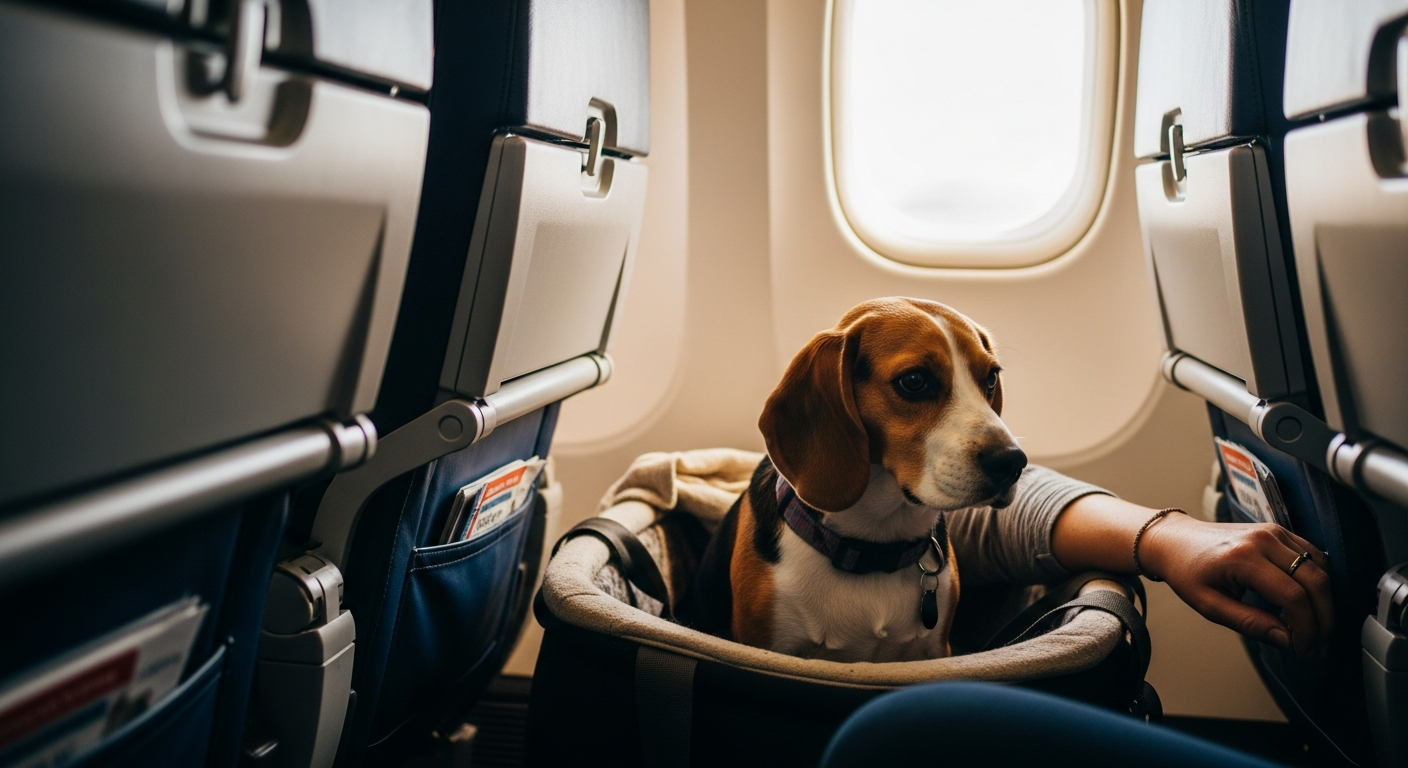
Most airlines require small emotional support animals to fit inside an approved carrier that slides under the seat in front of the passenger. The typical weight limit for in-cabin travel is around 20 pounds, though this varies by airline. The carrier must allow the animal to stand up, turn around, and lie down comfortably.
Larger emotional support animals that exceed the size or weight limits cannot travel in the cabin. Instead, they must travel as checked baggage or cargo, which involves additional fees and different handling procedures. Some airlines restrict certain species entirely from flying.
Passengers should contact their airline well before their flight to learn about specific carrier dimensions and pet policies. Each airline sets its own rules for size limits and carrier requirements.
Additional Fees Often Apply for ESAs Under Airline Pet Policies
Airlines now treat emotional support animals as regular pets on flights. This change means passengers must pay standard pet travel fees to bring their ESA on board. Federal law no longer requires airlines to provide free accommodation for emotional support animals.
Most airlines charge between $95 and $150 per one-way trip for pets. However, some airlines may charge more depending on their specific policies. These fees apply each time a passenger flies with their emotional support animal.
Passengers should contact their airline before travel to confirm the exact cost. Different airlines have different fee structures and payment requirements. In addition to fees, airlines may require travelers to purchase an approved pet carrier that fits under the seat.
The animal must remain in the carrier for the entire flight. Airlines also limit the number of pets allowed per flight, so early booking helps secure a spot.
Documentation Requirements Tightened
Airlines now require passengers to submit specific forms before they allow service animals on flights. These forms verify that the animal meets health and behavioral standards. Most airlines ask travelers to complete Department of Transportation forms that confirm the dog is trained to behave properly in public settings.
The paperwork typically includes a veterinary health form. This document must show the animal received the required vaccinations and has a clean bill of health. Some airlines ask for these forms to be dated within a certain time frame before travel, often within 10 days of the flight.
Passengers must also provide advance notice to airlines. Many carriers require travelers to submit all documentation at least 48 hours before departure. Forms need to arrive at the ticket counter at least 45 minutes before the scheduled flight time for final review.
Airlines can deny transport if travelers fail to provide complete paperwork. The forms help carriers determine whether an animal qualifies as a legitimate service dog under current regulations.
Service Animals Remain Protected Under DOT Rules
Service animals keep their full protections under the Air Carrier Access Act. The Department of Transportation defines service animals as dogs that receive individual training to do work or perform tasks for people with disabilities. These tasks can address physical, sensory, psychiatric, intellectual, or other mental disabilities.
Airlines must allow trained service dogs to travel with their handlers in the cabin. However, the DOT updated its rules to separate service animals from emotional support animals. This change aimed to reduce confusion and align more closely with other federal definitions. You can learn more about the distinction in our guide to how ESAs and psychiatric service dogs support people with PTSD.
Service dog handlers can travel with up to two service animals per flight. Airlines can ask passengers to complete a DOT form that confirms the dog's health, behavior, and training. The animal must be trained to perform specific tasks related to the handler's disability.
Dogs that only provide comfort or emotional support do not meet the service animal standard. Therefore, they no longer receive the same travel rights as trained service dogs under these federal aviation rules.
Planning Ahead Makes All the Difference
The rules for emotional support animals on planes changed significantly in 2021. Airlines now treat ESAs as regular pets rather than service animals. This means travelers must pay pet fees and follow standard pet policies that include size limits and carrier requirements.
Passengers who need to fly with trained psychiatric service dogs still have protected rights under federal law. However, those who rely on emotional support animals for comfort should research airline policies before they book flights. Each airline sets its own fees and requirements for pet travel.
Whether you are flying or planning a dog-friendly hotel stay, understanding the rules ahead of time helps you and your companion travel with confidence.