Teaching Kids to Respect Dogs Is About Trust, Not Tricks
Teaching a child to respect a dog is about helping both sides feel safe, understood, and valued. Learn how body language, coaching, and routine build lasting bonds between kids and their canine companions.
A kid and a dog sharing a house can turn into one of those quietly meaningful relationships that shapes how a child treats living things for the rest of their life. It can also go sideways fast if adults treat dogs like plush toys and kids like mind readers. Teaching a child how to handle a dog, respect its boundaries, and build a real bond is not about rigid rules or fear-based warnings. It is about helping both sides feel safe, understood, and valued in the same space.
The good news is that kids are remarkably capable of empathy when adults slow down enough to model it. Dogs, on the other hand, are honest to a fault. They show stress, joy, confusion, and affection without much editing. When you help a child learn to read that language and respond thoughtfully, the bond that forms is sturdy and lasting, not forced or fragile.
Start With Body Language, Not Commands
Most kids are taught what to say to a dog before they are taught how to watch one. Sit, stay, shake. Those words matter far less than noticing a stiff tail, pinned ears, or a dog turning its head away. Teaching a child to pause and observe builds respect faster than any rule sheet taped to the fridge.
This starts with adults narrating what they see in plain language. "The dog walked away because he needed space." "Her tail is wagging loosely, that means she is happy to see you." When kids learn that dogs communicate constantly, they stop assuming silence means consent. Over time, they begin to check in with the dog the same way they would with a friend who is having a rough day.
This approach also removes the pressure from kids to perform. They are not being tested on obedience—they are being invited to notice and respond. That shift alone changes the tone of every interaction.
Supervised Play Is About Coaching, Not Hovering
There is a difference between supervision and hovering, and kids feel it immediately. When adults hover, kids either freeze or push limits. When adults coach, kids relax into learning. The goal is not to prevent every misstep but to guide kids through them while the dog stays safe.
Playtime works best when it has a loose structure. Short sessions with clear expectations beat marathon cuddles every time. This is especially true in high-energy households where kids want to recreate the chaos of a children's bounce house they can play in together and assume the dog is part of the attraction. Dogs enjoy play, but they do not enjoy being climbed, cornered, or surprised.
Coaching sounds like gentle redirection, not correction. "Try tossing the ball instead of hugging." "Let him come to you." "Watch how she is moving her body." These cues teach kids that good play feels good on both sides—which is a lesson that carries far beyond pet ownership.
Routine Builds Security for Everyone
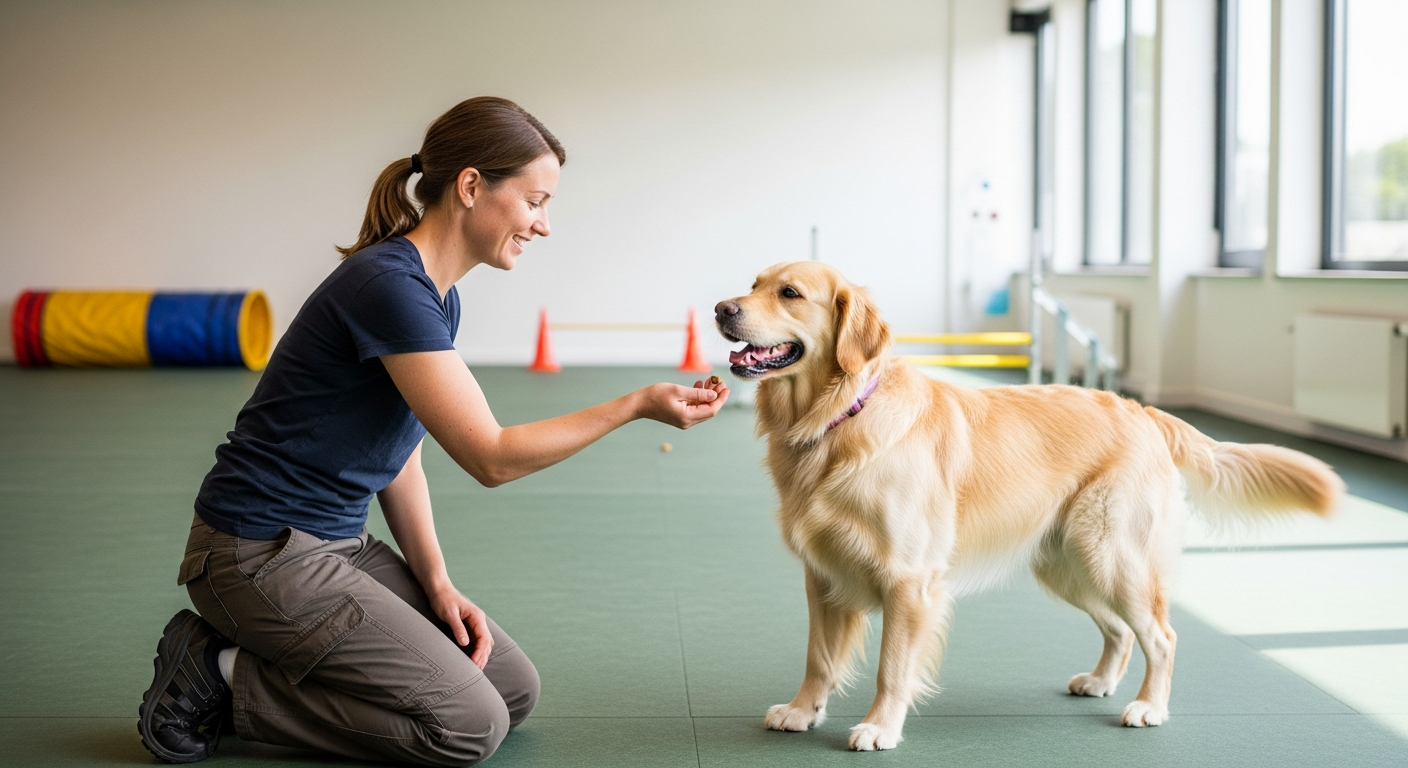
Kids thrive on routine, and so do dogs. Feeding, walking, brushing, and training are daily moments where bonds quietly deepen. When kids participate in these routines, even in small ways, they begin to see the dog as a living being with needs rather than a background character.
Consistency also reduces friction. A dog who knows what to expect is calmer. A child who knows when and how they can interact feels more confident. Confidence on both sides lowers the chance of fear-based reactions, which is where most problems start.
This is also where responsibility sneaks in without fanfare. Measuring food, refilling water, or holding the leash under supervision teaches care through action, not lectures.
Choosing the Right Match Matters More Than People Admit
No amount of training can fully override a poor fit between a family and a dog. Temperament, energy level, and tolerance for noise all matter, especially when kids are involved. Conversations about the best dog breeds for young kids should focus less on trends and more on realistic household dynamics.
Some dogs are naturally patient and adaptable. Others are sensitive or easily overwhelmed. Neither is bad, but not every dog wants to live in a house where Legos appear underfoot and the volume level changes without warning. Helping kids understand that dogs have personalities just like people sets realistic expectations and prevents disappointment.
When the match is right, teaching respect feels intuitive. When the match is wrong, everyone works harder than they should.
Modeling Respect Is the Real Lesson
Kids learn how to treat dogs by watching how adults treat them. If adults ignore growling, tease the dog, or override clear signs of discomfort, kids absorb that behavior without commentary. Respect cannot be taught as a concept if it is not practiced in real time.
This includes allowing dogs to say no. A child who sees an adult honor a dog's need for space learns that boundaries are normal, not punitive. Over time, that lesson extends outward into friendships, classrooms, and family relationships.
It is also worth remembering that dogs forgive a lot, but they do not forget patterns. Consistent respect builds trust that holds steady even on chaotic days.
Where the Bond Really Forms
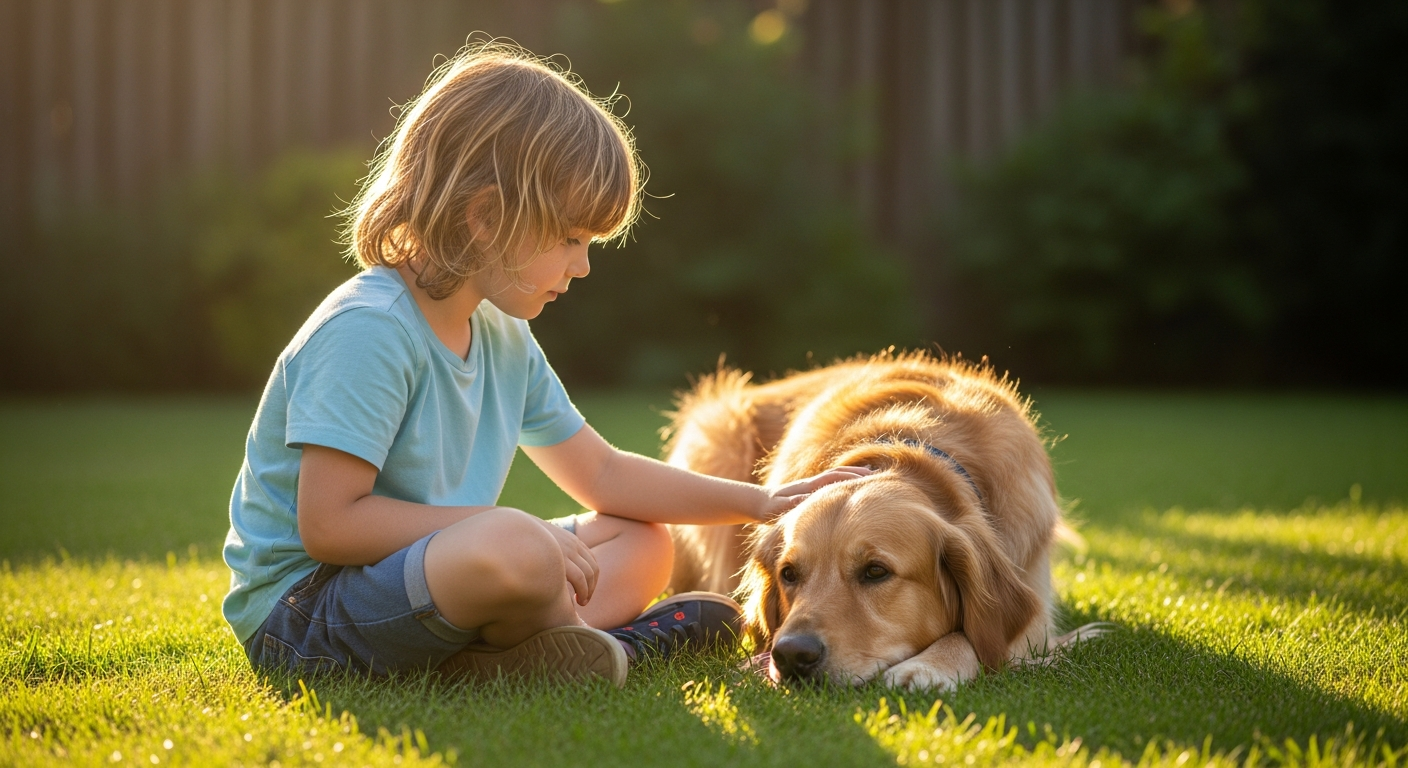
The strongest bonds rarely come from big moments. They come from quiet ones. A dog choosing to sit next to a child during a movie. A child noticing the dog seems tired and grabbing a blanket instead of a toy. These moments happen naturally when kids are taught to pay attention and adults resist the urge to control every interaction.
Bonding is not something you force. It is something you protect long enough to let it grow.